Breast buds, also known as thelarche, are the first visible signs of breast development, marking the initiation of the journey towards adulthood. In this article, we will explore breast buds pictures from a professional plastic surgeon’s perspective and provide a comprehensive understanding of their characteristics, development process, and.. Explore breast buds, the initial physical sign of puberty. Discover what to expect, typical timing, and when to consult a doctor.
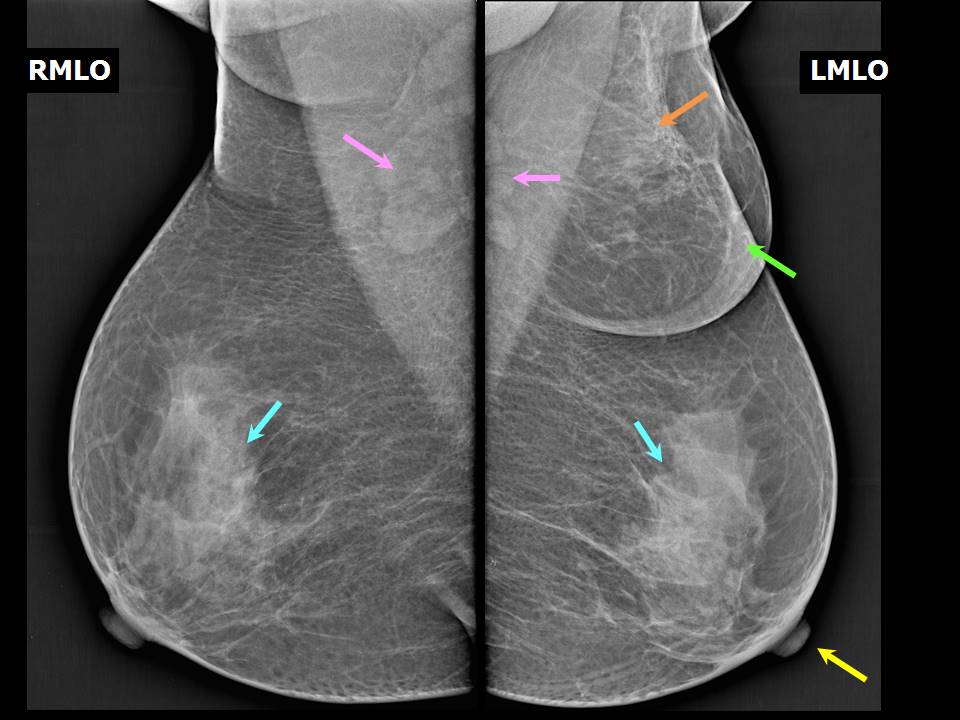
Bilateral Accessory Breast

Prioritizing Breast Health Your Guide to Breast Exams VA Womens Health
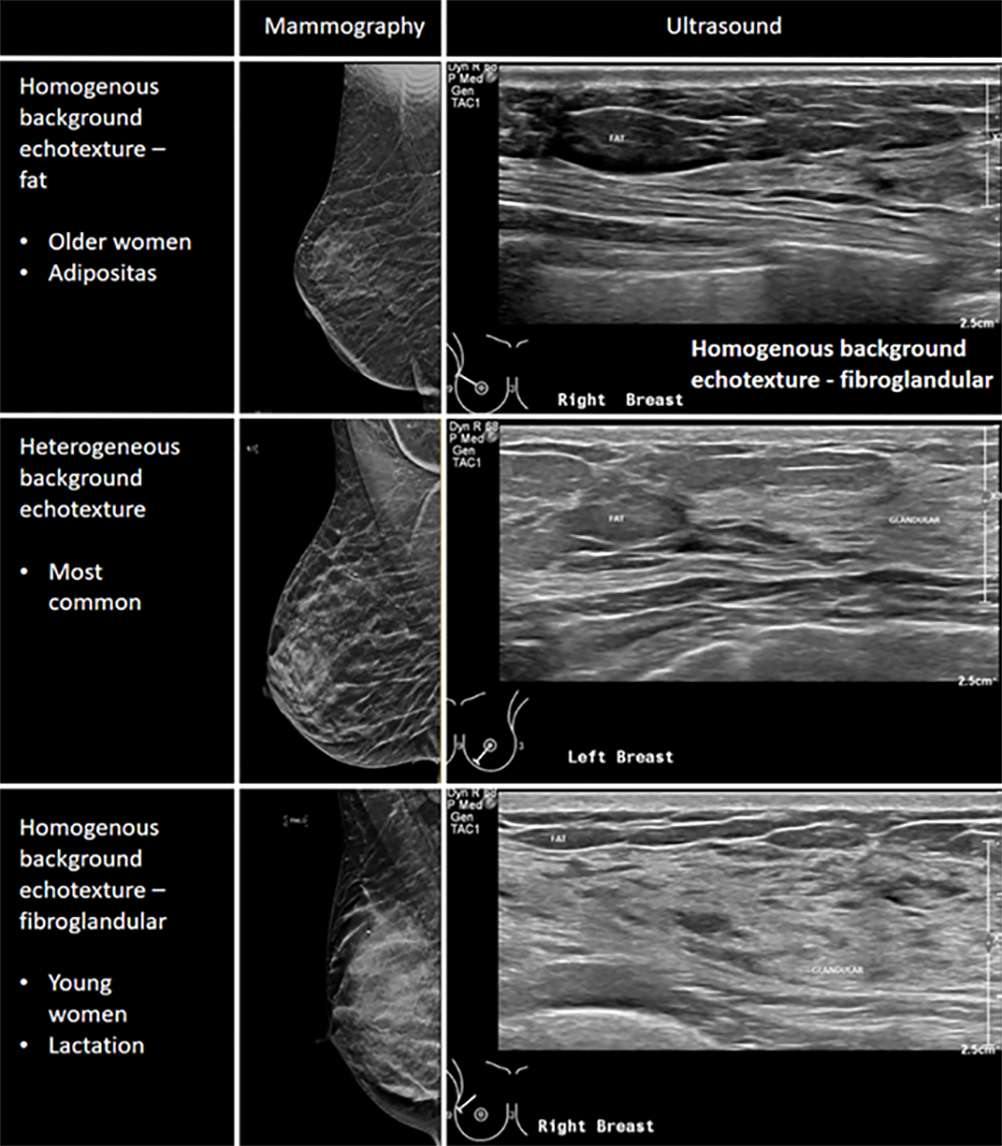
Basics of Breast Ultrasound Radiology UCLA Health

Breast Fibroadenoma Management Treatment Without Surgery IceCure

How to Draw ANATOMY OF FEMALE BREAST ILLUSTRATION YouTube
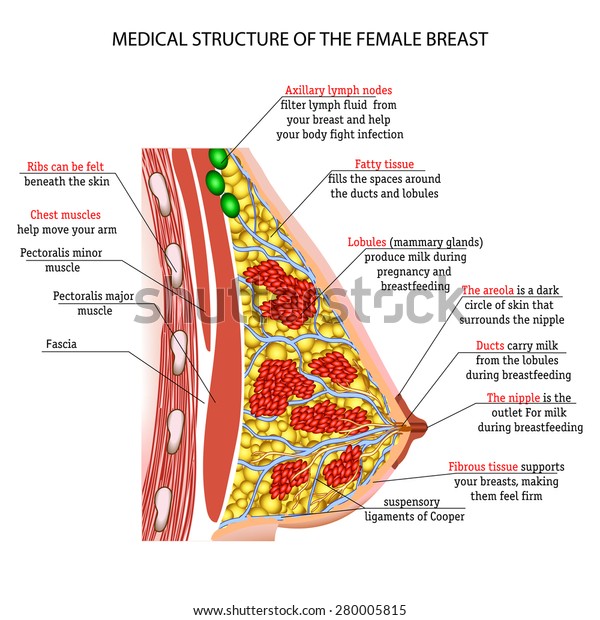
Anatomy Female Breast Stock Vector (Royalty Free) 280005815
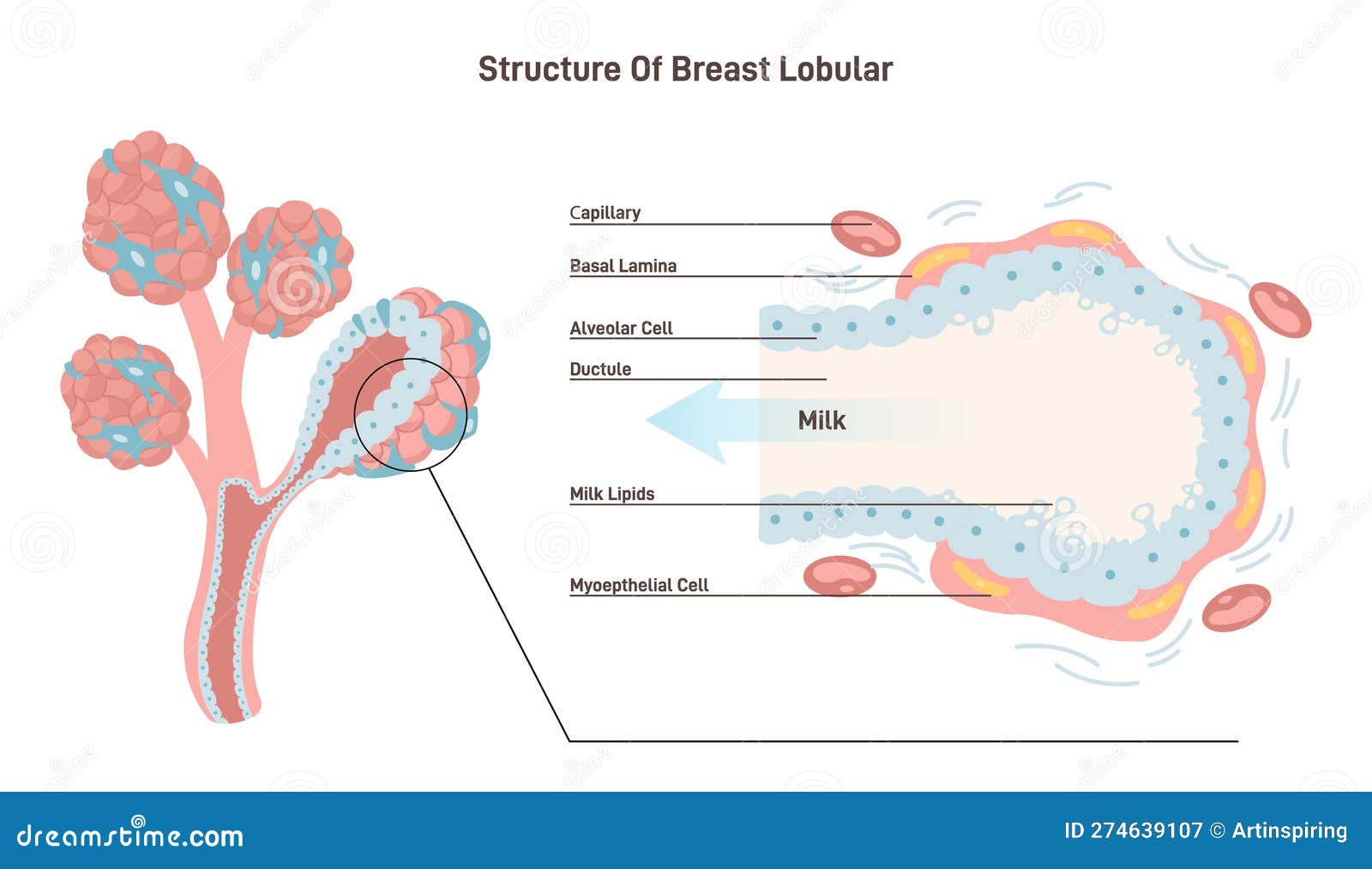
Anatomy of the Female Breast. Mammary Gland Duct and Lobule Structure

Female Anatomy Diagram
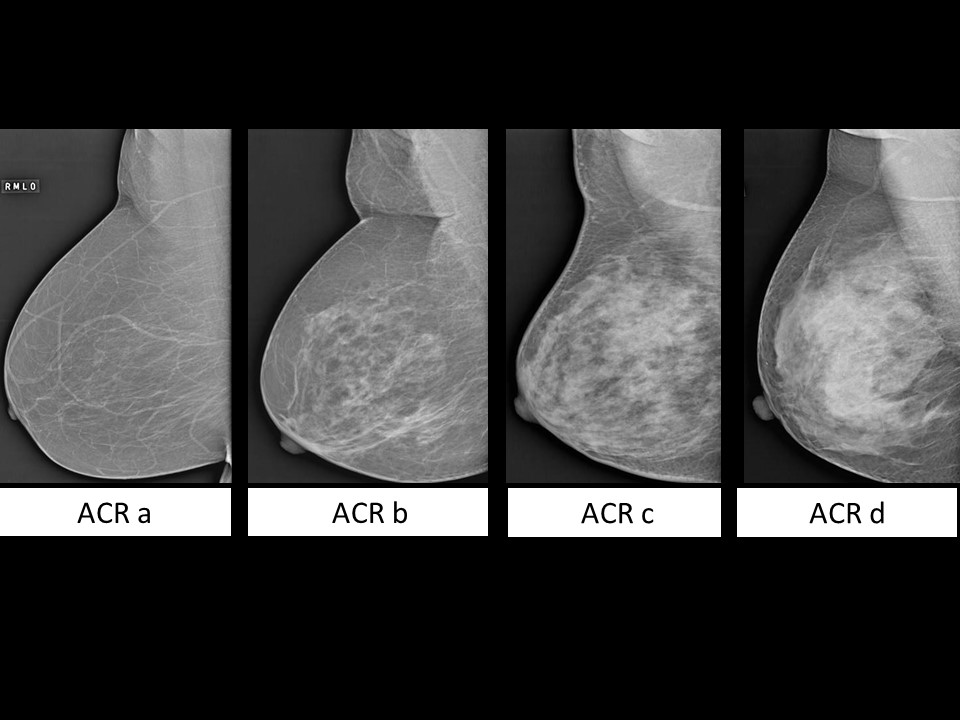
Breast Ultrasound Vs Breast Mri at Edward Zoller blog
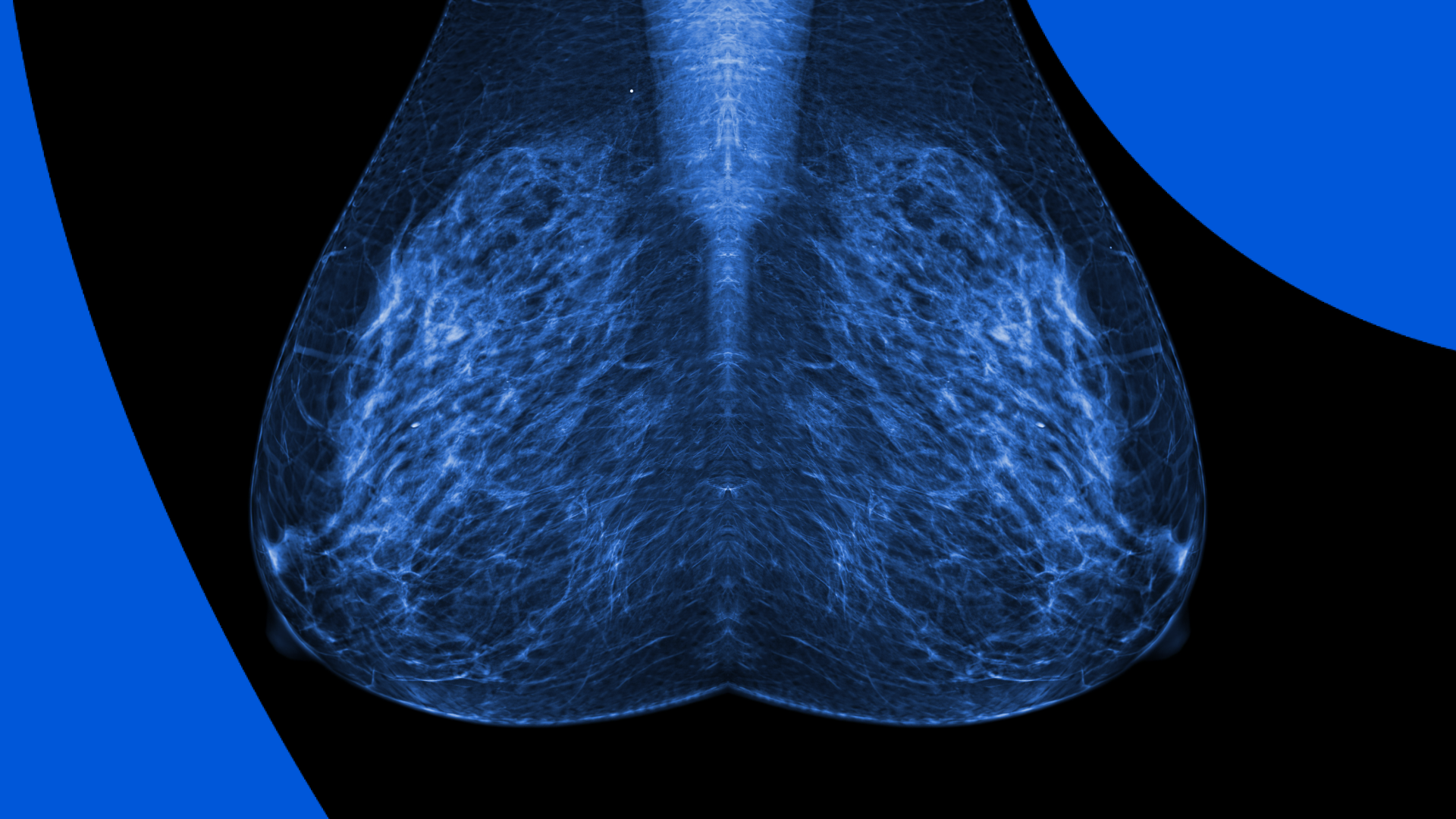
Types of Breast Exams Self, Mammogram, Ultrasound and More

Understanding Breast Conditions and Treatments Medika Life Womesn

93+ Thousand Human Breast RoyaltyFree Images, Stock Photos & Pictures

Breastsize map of the world revealed This is how Brits compare on the
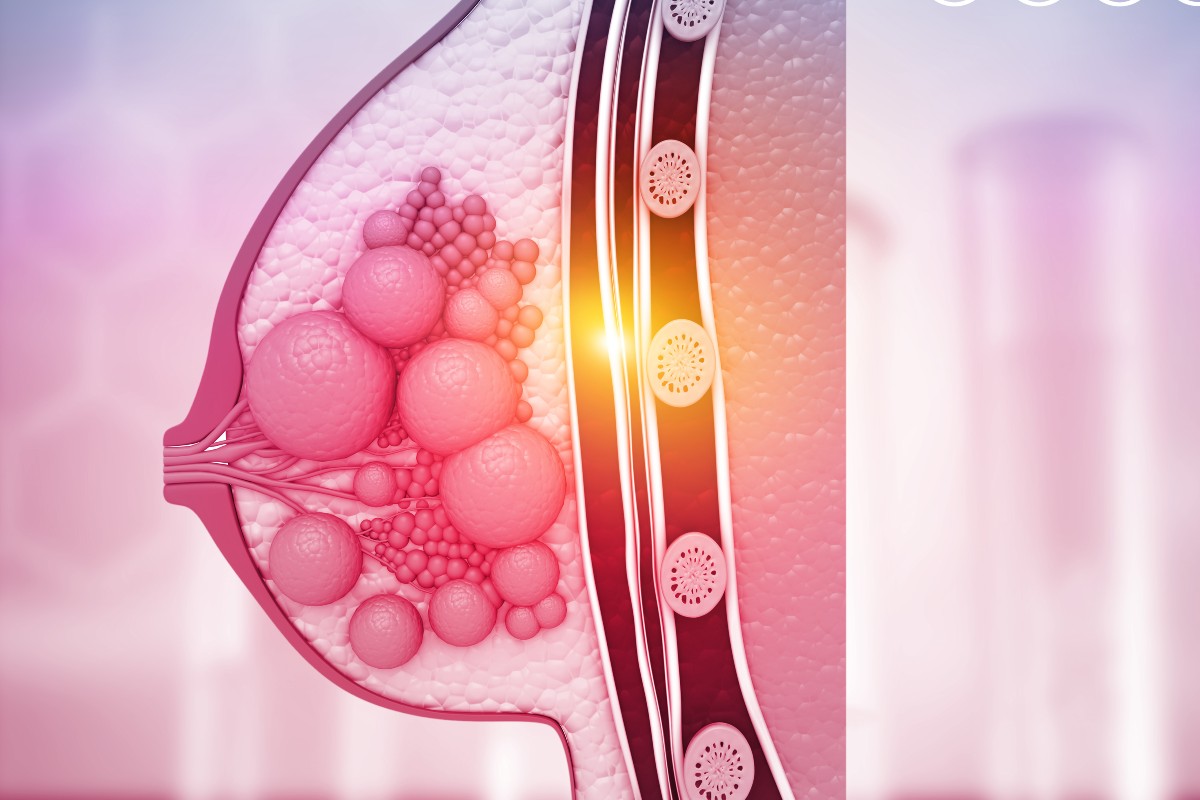
A Groundbreaking Study on Breast Biology Insights from ‘Nature
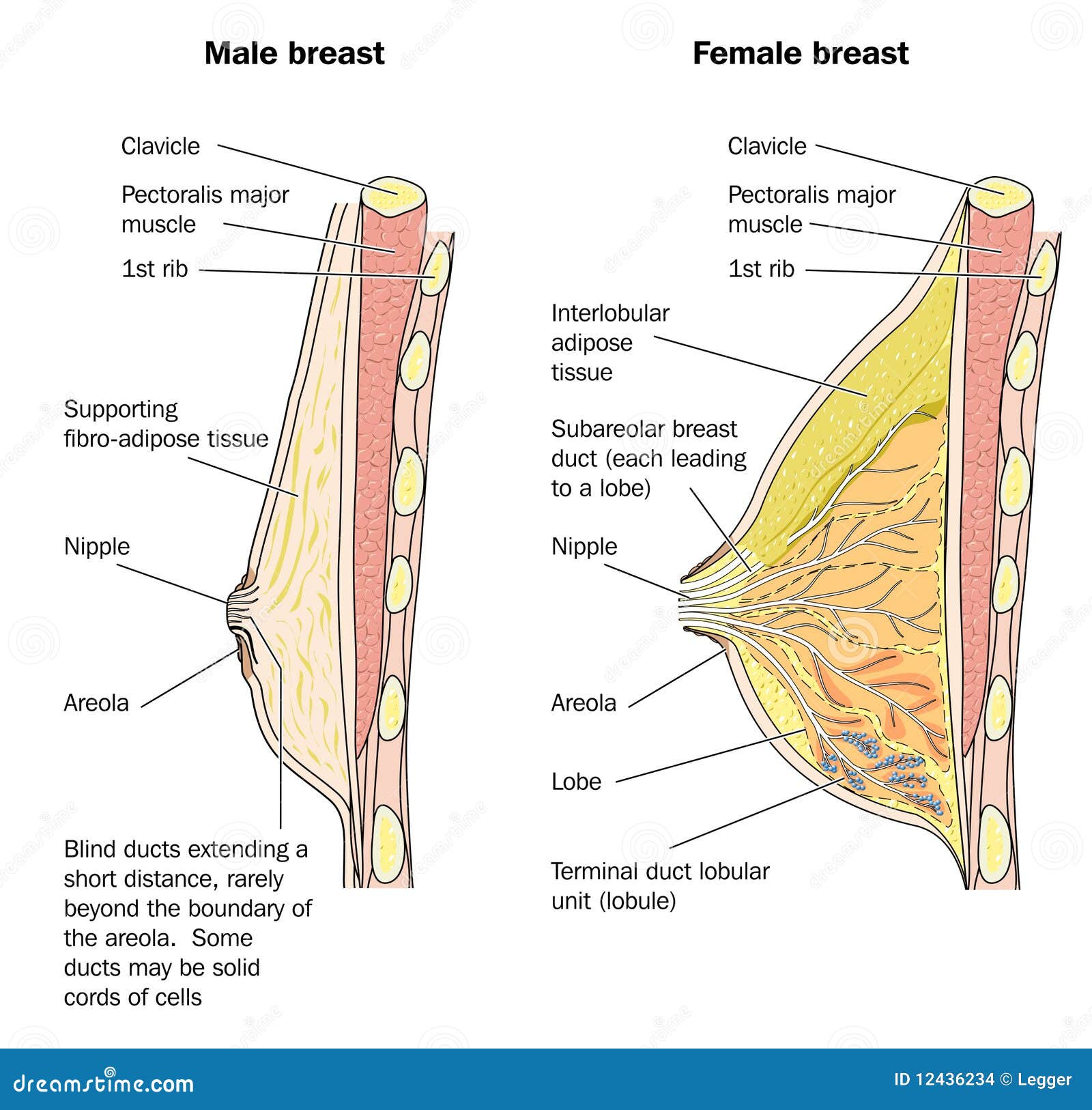
Areola Clipart And Illustrations

The Journey of Breast Development Understanding the Process (5 Minutes
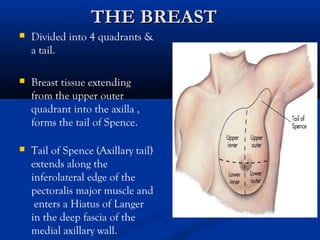
Grossing of breast specimens.pptmain PPT
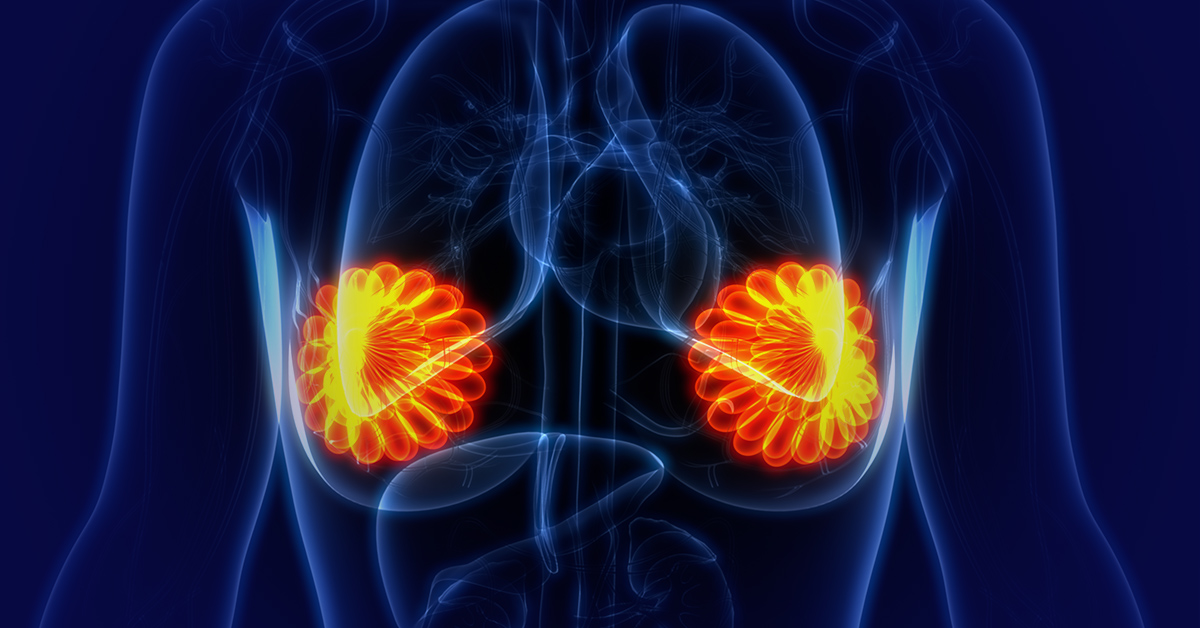
Breast Revision Surgery MedStar Health

Healthy Breast Care, Examination and Imaging Advanced Naturopathic
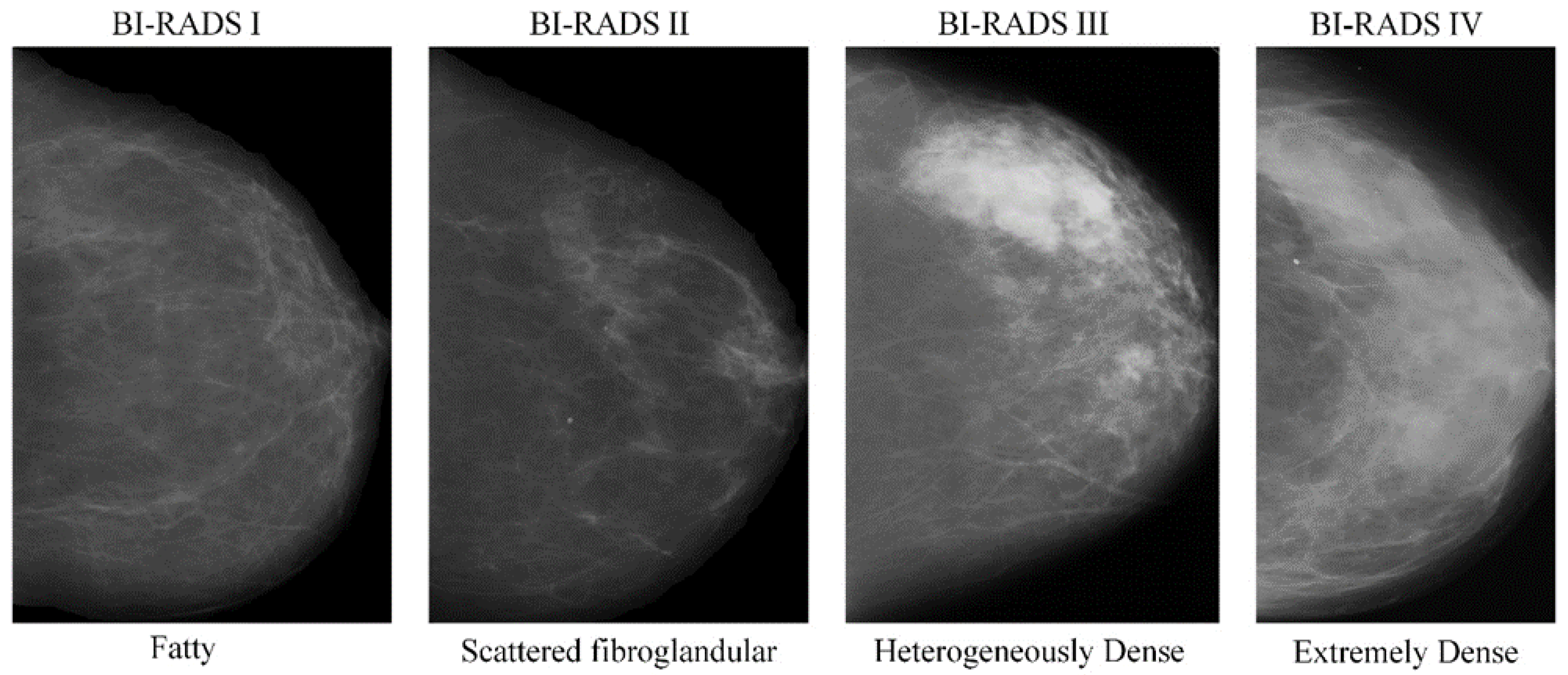
TwoView Mammographic Breast Density Classification
Breast buds are the first signs of breast development, and it may be a bit confusing at first. Here’s a simple guide on what to expect as you go through each stage of development.. The earliest sign of puberty in most girls is the development of breast “buds,” nickel-sized bumps under the nipple. It is not unusual for breast growth to start on one side before the other. It’s also common for breast buds to be somewhat tender or sore. Uneven breast growth and soreness are both totally normal and usually improve with time.